Why I Created Elysian Sanctum?
“Las mejores cosas de la vida toman tiempo.”
“The finest things in life take time.”
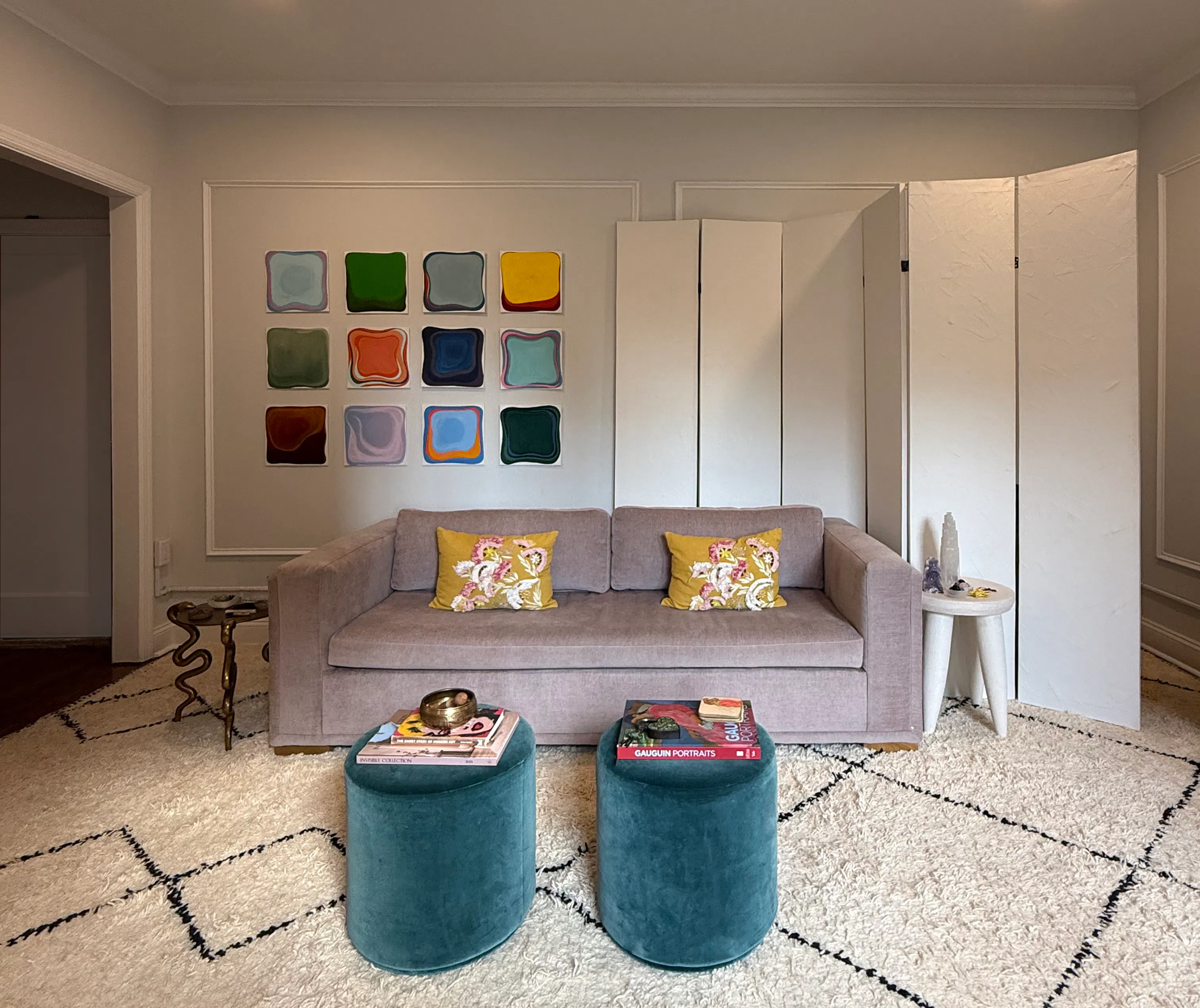
It’s a phrase that has stayed with me. The older I get, the more I realize that Club Colombia beer, whether they meant to or not, was pointing to something deeper; a more profound truth. Because if this idea can apply to something as simple as a beer, something you experience for 20 or 30 minutes, why wouldn’t it apply to your life? To your home?
We’ve been conditioned to move quickly, at a pace that is unnatural. A rhythm that keeps us from being thoughtful, embodying, or intentionally weaving the right energies into our lives. But a home is not a 20–30 minute experience. It is something you wake up in, return to, and live inside every single day, for years, maybe for a lifetime. And yet, sometimes we treat it with less care than something we only experience for a moment, less care than Club Colombia treats the quality and taste of its beer. That disconnect is what led me to create Elysian Sanctum.
Where the Disconnect Began
As an interior designer, I have always seen design as practical art—something that can be beautiful, functional, and intentional. At its best, design doesn’t just look good; it supports your life and enables you to exist at a higher vibration.
In over a decade of experience, I’ve seen how powerful that can be. I’ve seen how the right space can transform a family’s daily life for the better. How a thoughtfully designed restaurant, café, or hotel can make someone want to return, not just for the food or hospitality, but for how the space supports that complete experience. And how an office can shift someone into clarity, focus, and productivity. But I’ve also seen the opposite where I could feel where something was missing.
I’ve watched design culture slowly lose its identity, replaced by generic “resale value” aesthetics, creating spaces that could exist anywhere, and therefore mean nothing.
We are surrounded by spaces that look finished but feel empty. No wonder people are craving something deeper!
They want personality, meaning, and to feel something when they walk into their home. Yet, many don’t know how to get there.
And while there’s growing conversation around holistic and wellness design, even those terms have started to feel trend-driven; often reduced to a formula of natural materials, neutral palettes, and soft lighting. And there’s nothing inherently wrong with those elements; in fact, I deeply value natural materials and soft lighting myself. But without considering the individuality of the person living within the space, it can begin to feel like a mathematical equation applied broadly, rather than something intentional and deeply meaningful.
In some cases, identity and culture are left out entirely. In others, spaces labeled as “holistic” overlook the fundamentals of design—proportion, scale, and balance—as though intention alone is enough to carry a space without thoughtful execution. But true design requires both, after all, design is practical art.
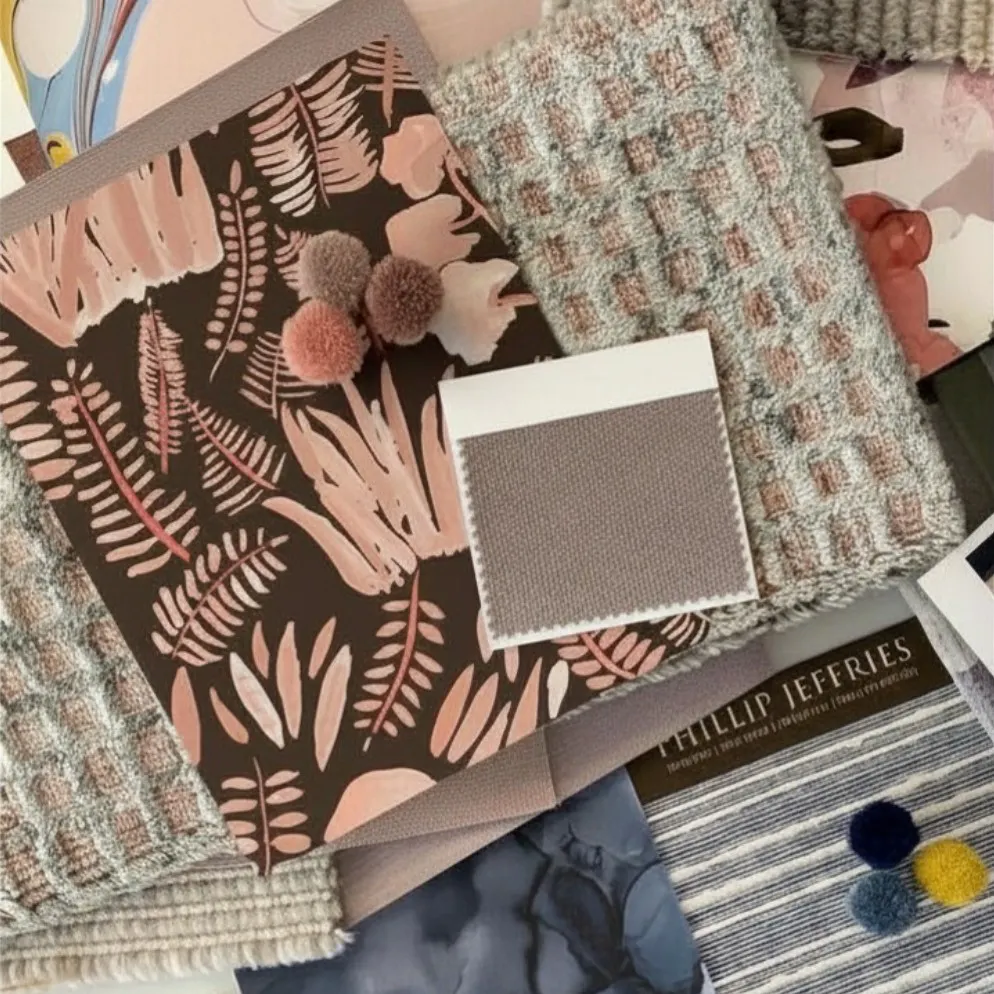
Then there is the idea of “timeless design.” There are, of course, materials and elements that have endured for a reason—marble, plaster, zellige. They’ve existed for centuries because they carry a certain permanence, a quiet, lasting beauty that transcends trends. But somewhere along the way, “timeless” has been reinterpreted as neutral, safe, and impersonal. Spaces designed to appeal to everyone, and in doing so, resonate with no one.
Because if our homes are meant to support our lives, and our lives are constantly evolving, then shouldn’t our spaces reflect that too? Shouldn’t they carry a trace of who we are—the way we live, the culture we come from, the time we exist in? True timelessness is not about removing personality; it’s about creating a foundation strong enough to hold it. A home that is truly aligned will always feel relevant, not because it follows a formula, but because it reflects the person living within it.
When both “timeless design” and “wellness design” are reduced to formulas, they become something else entirely: cookie-cutter aesthetics repackaged as aspiration. But a home should not be designed to look like everyone else’s version of “beautiful.” At the very least, it should be designed to feel like your version of beauty.
Simultaneously, as I deepened my work as an astrologer, I began to understand people in a completely different way, discovering not just what they liked, but what they needed. Not just their style, but their emotional patterns, their rhythms, their internal world, their potential, their dreams, and where they were headed.
And it made me realize something that felt obvious once I saw it: we are designing homes and spaces for people without fully understanding them. No wonder so many spaces feel complete yet somehow still empty.
True holistic design is not about applying the same rules to every space. It’s about the intersection of the individual and the environment by honoring their unique energy, their culture, their rhythms, and the way all of that interacts with the space they live in. It’s where intuition meets expertise. Where energy meets structure.
That’s where a home stops being aesthetically pleasing and starts being truly aligned.
And one tool that has revealed itself to me as a way to bridge that gap, between deeper meaning and real, lived connection, is astrology.
What Alignment Actually Means
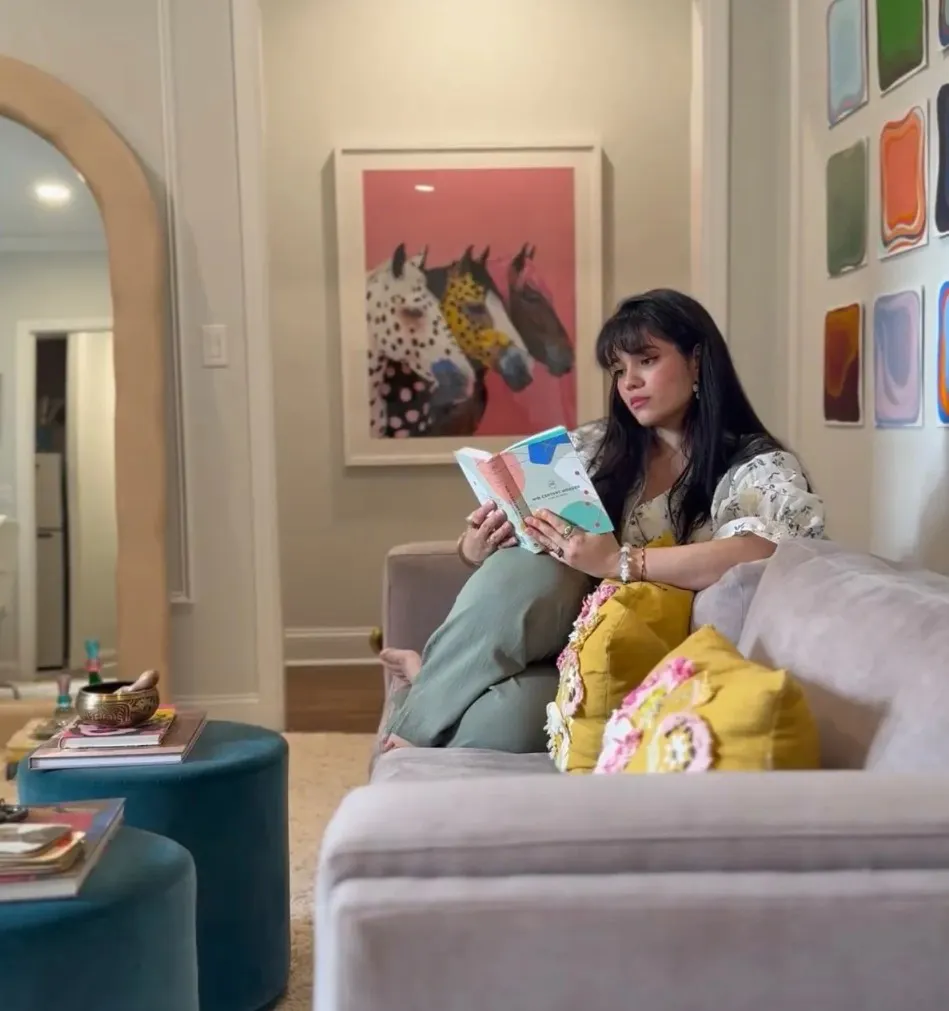
I often explain the astrological birth chart as a tree. The 4th house is the root, what keeps the tree grounded, nourishes it, and allows it to bloom. While that foundation is emotional, psychological, and energetic first, interior design can make those energies tangible. If your home is misaligned with your birth chart, something will always feel off, no matter how beautiful it looks.
I also want to challenge the stereotypical idea of a “grounding” home, because grounding is not universal. It doesn’t always mean minimalism, neutrality, or silence. It means being anchored in the right energy for you.
With Gemini ruling my 4th house, I need movement, air, and flexibility; a space that shifts with my rhythm. Someone with Taurus there may need softness and stability. Leo may need bold expression. Virgo may need clarity and intention. Scorpio may need depth and intensity. These energies don’t have to remain abstract; they can be expressed through materials, texture, color, light, and form. When applied intentionally, they help support and sustain the energetic foundation of your life.
Do you need astrology for that? Maybe not. But we’ve stripped so much meaning and individuality out of the way we live that many people no longer know how to recognize what truly fits them. Your birth chart simply offers a language for understanding what you value, how you move through the world, and what kind of environment supports your alignment. Astrology is not a religion, it’s cosmic pattern recognition. And if what you want is meaningful, intentional design that reflects the core of who you are in a way you haven’t seen before, why not use it?
The Energy of What You Bring Into Your Space
At the same time, I was thinking: your home is shaped by what you choose to bring into it.
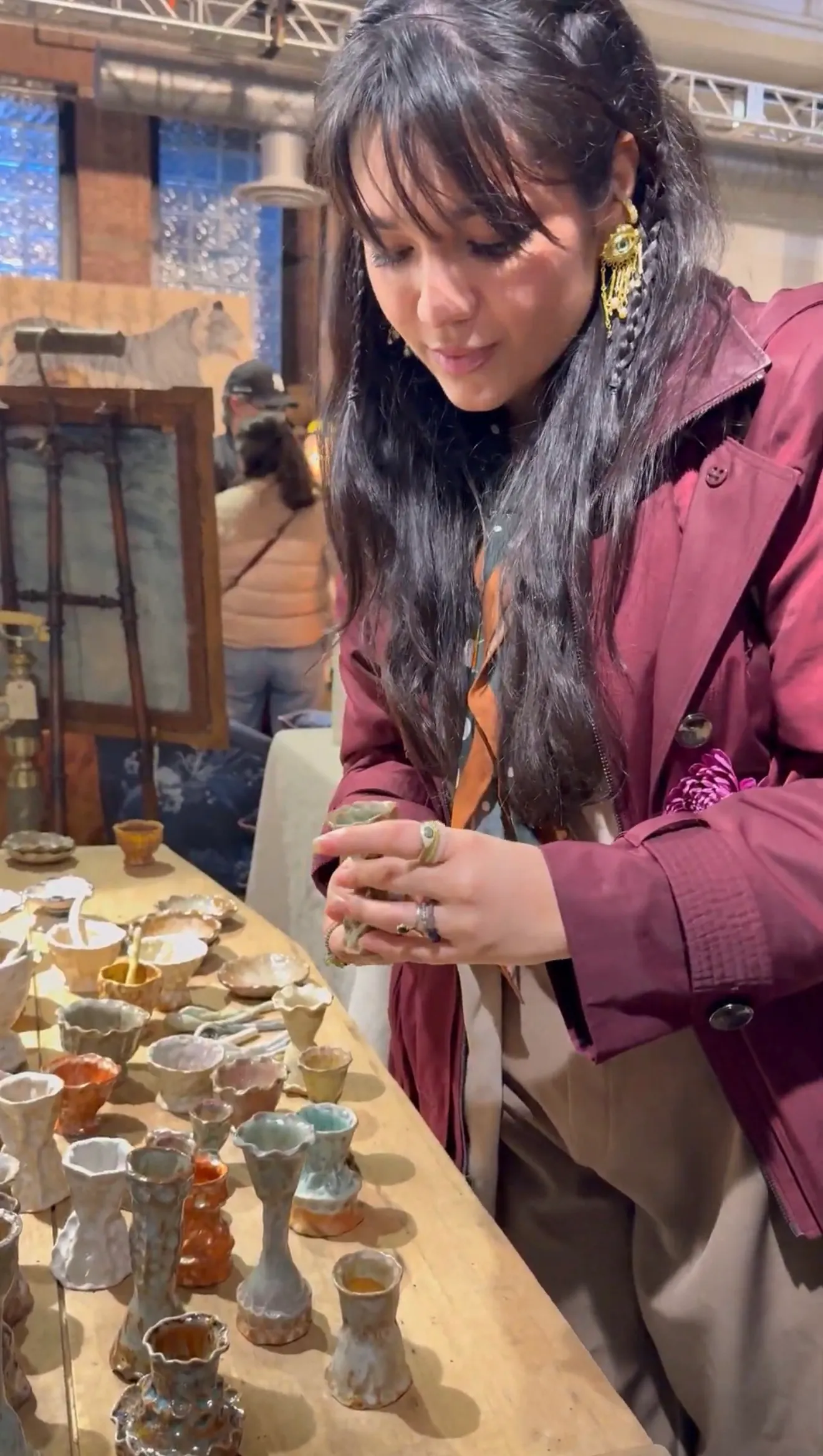
I believe objects carry energy. Art moves us because something was felt deeply while it was being created and the piece carries that frequency. Materials hold frequency too, and the way something is made matters.
There is growing research in environmental psychology showing that natural materials, like wood, stone, and natural fibers, can reduce stress and support a sense of calm, while overly synthetic environments can feel overstimulating or disconnected. Not to mention the physical impact on our bodies and health, but ill leave this for a blog on material health.
But beyond studies, there is something intuitive we all feel: something made by a machine fills a space, while something made by a human or by nature brings it to life.
A handmade object carries the creative spark, the intention, and the pride of the person who made it. Mass-produced objects, especially those made quickly and without care, often carry a kind of emptiness that, in return, drains your space.
This doesn’t mean everything has to be expensive or custom, but it does mean being intentional. Because your environment is constantly interacting with you, and over time, it either supports your energy or quietly drains it.
This is why, at Elysian Sanctum, I prioritize craftsmanship, sustainability, and meaning with every design decision I present to my clients.
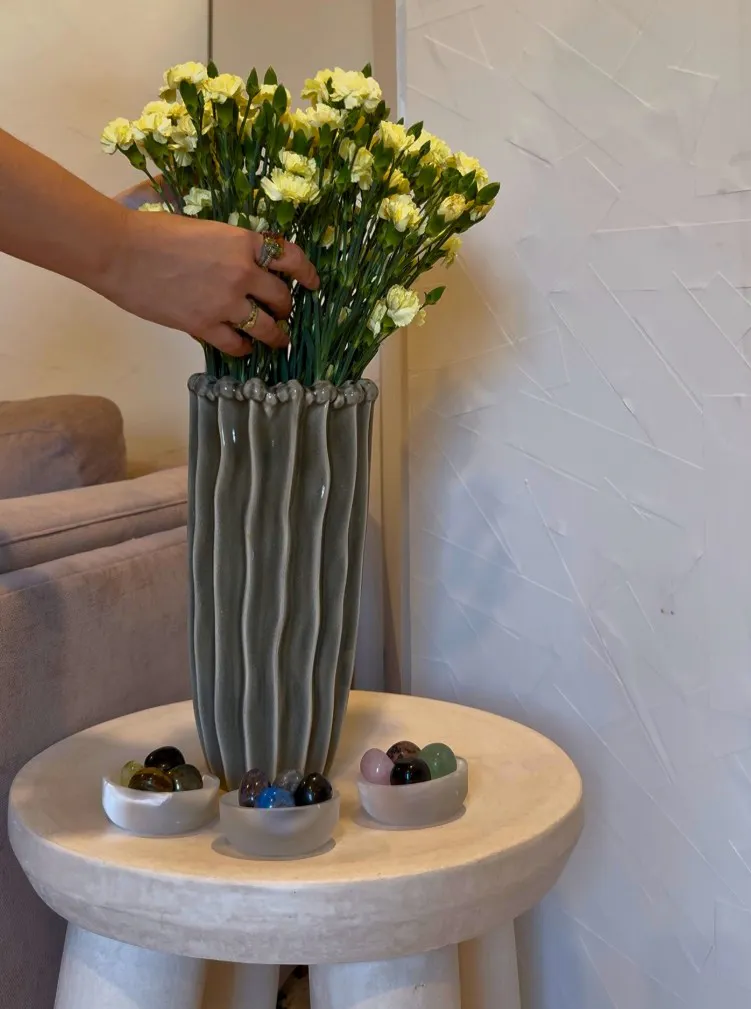
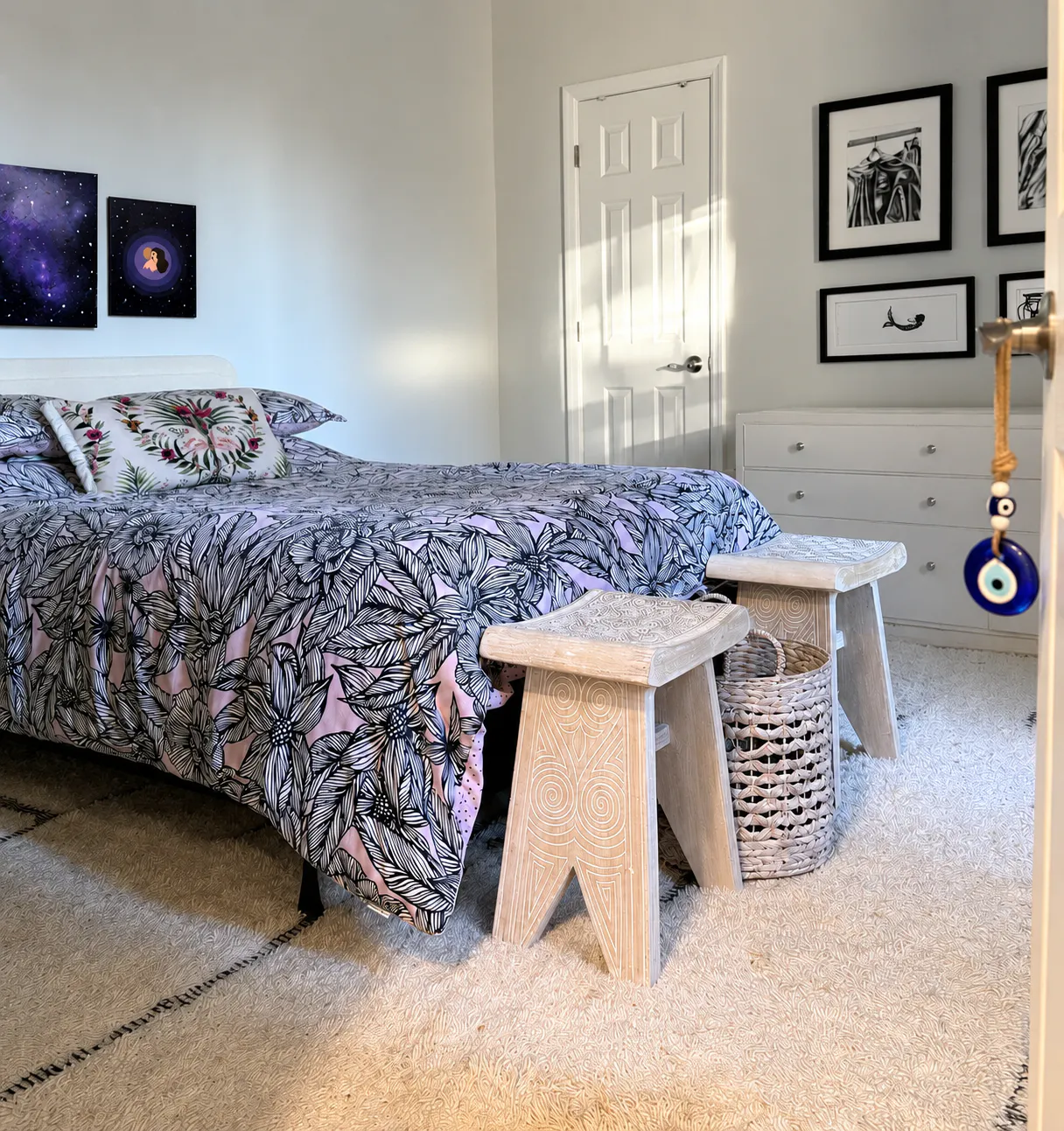
In Greek mythology, Elysium was the place where heroes went to enjoy the afterlife. It was a place of peace, rest, abundance, and ease after a life of achievement.
That is what your home should be for you, in this lifetime.
A sanctum. A space that holds you, reflects you, and restores you. A space you don’t rush through, but experience fully.
Because even the smallest, most fleeting experiences can be crafted with care, intention, and time, like Club Colombia beer.
So your home, the place you live your life from, deserves nothing less.
“Las mejores cosas de la vida toman tiempo.”
“The finest things in life take time”
And your home should be one of them.